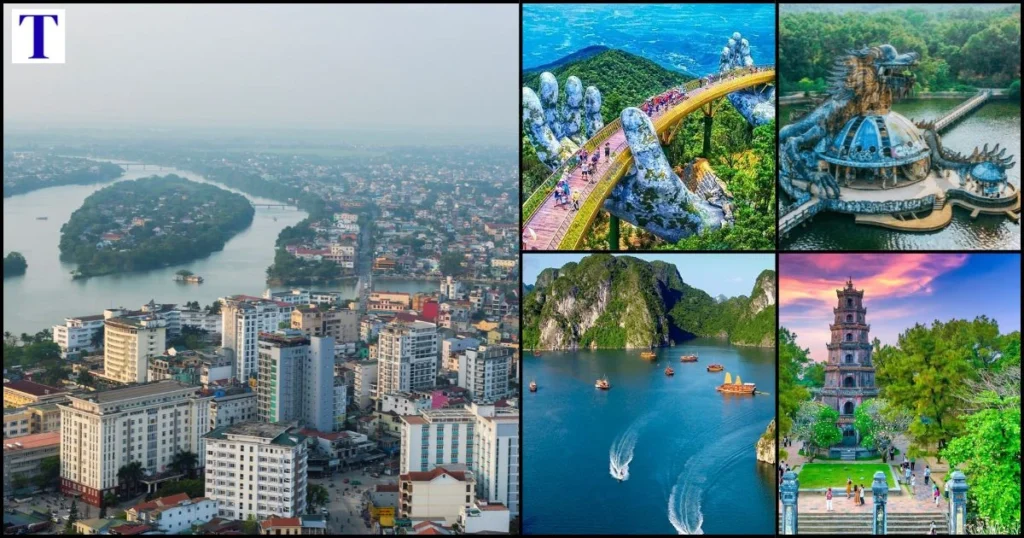

Hue Vietnam is a historic city in central Vietnam known for its imperial architecture, royal tombs, Buddhist temples and distinctive local cuisine. Once the capital of the Nguyen Dynasty, Hue preserves an important part of the country’s royal heritage through ancient palaces, fortified walls and ceremonial grounds. The Perfume River adds to the city’s beauty, while traditional markets and nearby craft villages offer a glimpse into local life.
Planning a visit to Hue Vietnam involves more than choosing famous attractions. Knowing the best time to travel, how to reach the city, what food to try and how to organise sightseeing can make your experience more enjoyable. Seasonal rain and flooding may also affect travel plans, particularly during the wetter months. Whether you are interested in history, photography, Vietnamese food or cultural experiences, this guide explains what makes Hue special and how to plan a rewarding visit.
What Is Hue Vietnam Known For?
Hue is best known for its connection to the Nguyen Dynasty, which ruled Vietnam from 1802 to 1945. During this period, the city served as the imperial capital and became an important centre of government, royal ceremonies and cultural life. Its historic legacy remains visible in the Imperial City, ancient gates, royal residences, temples and elaborate mausoleums. These monuments help visitors understand how Vietnamese emperors lived, governed and honoured their ancestors.
The city is also famous for its Buddhist heritage and regional food. Thien Mu Pagoda overlooks the Perfume River, while bun bo Hue, a fragrant and spicy beef noodle soup, is one of Vietnam’s best-known regional dishes. The Complex of Hue Monuments was added to the UNESCO World Heritage List in 1993. Together, its architecture, cuisine and riverside setting make Hue an appealing destination for travellers seeking history and authentic cultural experiences.
Where Is Hue Located in Vietnam?
Hue is located in central Vietnam, between Hanoi in the north and Ho Chi Minh City in the south. The city sits along the Perfume River, a defining feature of its landscape, and provides a convenient base for exploring the central region. Da Nang is a popular starting point for travellers heading to Hue, with trains, buses and private transfers connecting the destinations. The route through the Hai Van area is particularly scenic, offering views of mountains and the coastline.
The central historical district is relatively easy to explore, with the Imperial City, local markets and riverside attractions within manageable travelling distances. However, several royal tombs are located outside the city centre, so visitors should plan transport before setting out. Hue also fits naturally into a wider itinerary that includes Da Nang and Hoi An. Travelling between these destinations allows visitors to experience imperial history, coastal scenery and traditional old-town streets during the same trip.
Best Things to Do in Hue
Hue offers a mix of historical landmarks, religious sites, traditional crafts and local experiences. The Imperial City is the natural starting point, but the surrounding royal tombs and pagodas provide a fuller understanding of the region’s history. Khai Dinh Tomb is known for its elaborate decoration and combination of architectural influences, while Minh Mang Tomb features carefully arranged buildings, lakes and landscaped grounds. Thien Mu Pagoda is another important stop, particularly for its peaceful location beside the Perfume River.
Beyond the major monuments, visitors can explore Dong Ba Market, sample regional dishes and visit Thuy Xuan Incense Village, which is known for its colourful displays of handmade incense. A walk along the river or a boat trip in suitable weather can add a relaxing break to a day of sightseeing. Rather than rushing through every attraction, choose places that match your interests and allow enough time to explore them properly.
- Hue Imperial City: Discover former royal buildings, gates and courtyards.
- Thien Mu Pagoda: Visit a historic Buddhist landmark overlooking the river.
- Khai Dinh Tomb: Admire intricate mosaics and ornate decoration.
- Minh Mang Tomb: Explore a spacious royal complex surrounded by gardens.
- Dong Ba Market: Browse local produce, street food and regional products.
- Thuy Xuan Incense Village: See traditional incense-making and colourful displays.
Hue Imperial City and the Forbidden Purple City
The Imperial City is Hue’s most important historical attraction. Surrounded by defensive walls and a moat, this extensive complex once contained royal residences, administrative buildings, temples and ceremonial spaces. Its layout reflected the traditions and hierarchy of the Nguyen court. Visitors can walk through historic gates, explore surviving structures and see the results of restoration work intended to protect the site’s architectural heritage. Allow several hours to explore because the grounds are larger than they may initially appear.
The Forbidden Purple City was a restricted inner area within the Imperial City, historically associated with the emperor and selected members of the royal household. It was not a separate city, but part of the wider imperial complex. Conflict and other damage destroyed or affected many original buildings, so some areas contain ruins alongside restored structures. Comfortable walking shoes, drinking water and protection from the sun are useful, especially during hot weather. Taking time to understand the site’s history makes the visit more meaningful than simply walking between buildings for photographs.
Hue Vietnam Weather and Best Time to Visit
Hue experiences hot weather, high humidity and substantial seasonal rainfall. February to April is often a favourable period for sightseeing because conditions are generally more manageable than during the main rainy season. May to August can be particularly hot, so visiting outdoor attractions early in the morning is usually more comfortable. The Imperial City and royal tombs involve considerable walking, making shade, drinking water and suitable clothing important throughout the warmer months.
Rainfall becomes a greater concern from around September to December, when heavy rain and flooding may affect roads, river activities and access to some attractions. The exact timing and severity vary from year to year, so seasonal averages should not replace a current forecast. Before travelling, check local weather and flood warnings, especially if your itinerary includes riverside areas or countryside excursions. Carry a lightweight raincoat during wetter months and keep alternative activities available in case outdoor plans need to change.
How to Get to Hue and Travel Around
Phu Bai International Airport serves Hue and is approximately 15 kilometres from the city centre. Flight routes and schedules can vary, so check available connections and ground transport before booking. Travellers coming from Da Nang often choose the train, which offers scenic views along parts of the central Vietnamese coastline. Buses and private cars provide alternatives, particularly for those who prefer flexible departure times or direct hotel transfers. The best option depends on your budget, luggage and preferred travel experience.
Within Hue, the central attractions can be reached on foot or by short taxi journeys, while taxis and ride-hailing services, where available, are useful for longer trips. Bicycles may suit shorter routes, although traffic and weather conditions should be considered. A car or organised transfer is often practical for visiting several royal tombs outside the centre. Compare journey times, pickup arrangements and total costs rather than choosing transport on price alone. During periods of heavy rain, allow extra time because road conditions can change.
What Food Is Hue Famous For?
Hue has a distinctive regional food culture influenced by everyday Vietnamese cooking and the culinary traditions associated with the former imperial court. Its signature dish is bun bo Hue, a noodle soup commonly prepared with beef, pork and a fragrant lemongrass-seasoned broth. It often has a stronger, spicier flavour than other Vietnamese noodle soups, although recipes vary between restaurants. Trying it at a busy local eatery is one of the easiest ways to experience a dish closely associated with the city.
Other local specialities include banh beo, small steamed rice cakes served with savoury toppings, and banh khoai, a crispy savoury pancake. Com hen, a rice dish traditionally served with small clams, herbs and seasonings, is another regional favourite. Visitors can also try salt coffee, which combines coffee with a creamy, slightly salty topping. Local markets and independent restaurants offer opportunities to discover these dishes, but ask about ingredients if you have allergies or dietary restrictions. Vegetarian meals may contain fish sauce or other animal-derived ingredients, so explain your requirements clearly.
Is Hue Worth Visiting in Vietnam?
Hue is worth visiting if you want to explore Vietnamese history, traditional architecture and regional cuisine in one destination. The Imperial City and royal tombs provide a detailed introduction to the Nguyen Dynasty, while Thien Mu Pagoda and the Perfume River offer a quieter experience. Local markets, traditional crafts and regional dishes add depth to the visit, making it about more than simply seeing historic buildings. For travellers interested in culture, these experiences can be among the most memorable parts of a trip through central Vietnam.
The city is particularly rewarding if you can spend at least two days exploring at a comfortable pace. It may be less suitable for visitors whose main priorities are beach activities, nightlife or extensive shopping. Weather also matters, especially during periods of heavy rainfall. For a balanced itinerary, combine Hue with Da Nang and Hoi An, as each destination offers a different atmosphere. Overall, Hue is an excellent choice for travellers who want to understand Vietnam’s heritage while enjoying distinctive food and a more relaxed pace of sightseeing.
(FAQs)
Is Hue worth visiting in Vietnam?
Yes. Hue is an excellent destination for travellers interested in royal history, traditional architecture, Buddhist culture and regional food. Two days are enough to explore the main attractions, while a third day allows additional excursions.
What is Hue famous for?
Hue is famous for its former imperial capital, the Imperial City, royal tombs, Thien Mu Pagoda and bun bo Hue noodle soup. Its historic monuments are part of a UNESCO World Heritage Site.
Is Hue better than Hoi An?
It depends on your interests. Hue is particularly suited to imperial history, royal architecture and traditional cuisine. Hoi An is known for its preserved old town, lantern-lit streets, shopping and nearby beaches. Visiting both provides a broader experience of central Vietnam.
Why is Hue called the Forbidden City?
The Forbidden Purple City was a restricted inner area within the Imperial City, historically reserved for the emperor and selected members of the royal household. Hue is the name of the wider city, not the Forbidden Purple City itself.
When is the best time to visit Hue?
February to April is often a good period for sightseeing because conditions are generally more favourable than during the main rainy season. Check current weather forecasts and local flood warnings before travelling, particularly between September and December.
Conclusion
Hue is one of central Vietnam’s most rewarding destinations for travellers interested in royal history, traditional architecture and regional food. Its Imperial City, royal tombs and historic pagodas preserve important parts of the country’s past, while the Perfume River, local markets and traditional craft villages provide a broader view of life in the region. The city’s appeal lies in the combination of history, culture and everyday experiences rather than a single famous attraction.
For a first visit, plan two or three days, arrange transport to the royal tombs outside the centre and make time to try local dishes such as bun bo Hue. Choose your travel dates carefully, check weather and flood warnings, and allow flexibility if conditions change. These practical steps can make sightseeing more comfortable and rewarding. Overall, Hue deserves a place on a central Vietnam itinerary, particularly for visitors who value cultural depth and authentic regional experiences. It offers a meaningful opportunity to discover a different side of Vietnam.